
How Do Soft Close Toilet Seats Work: Hinge Mechanism Guide
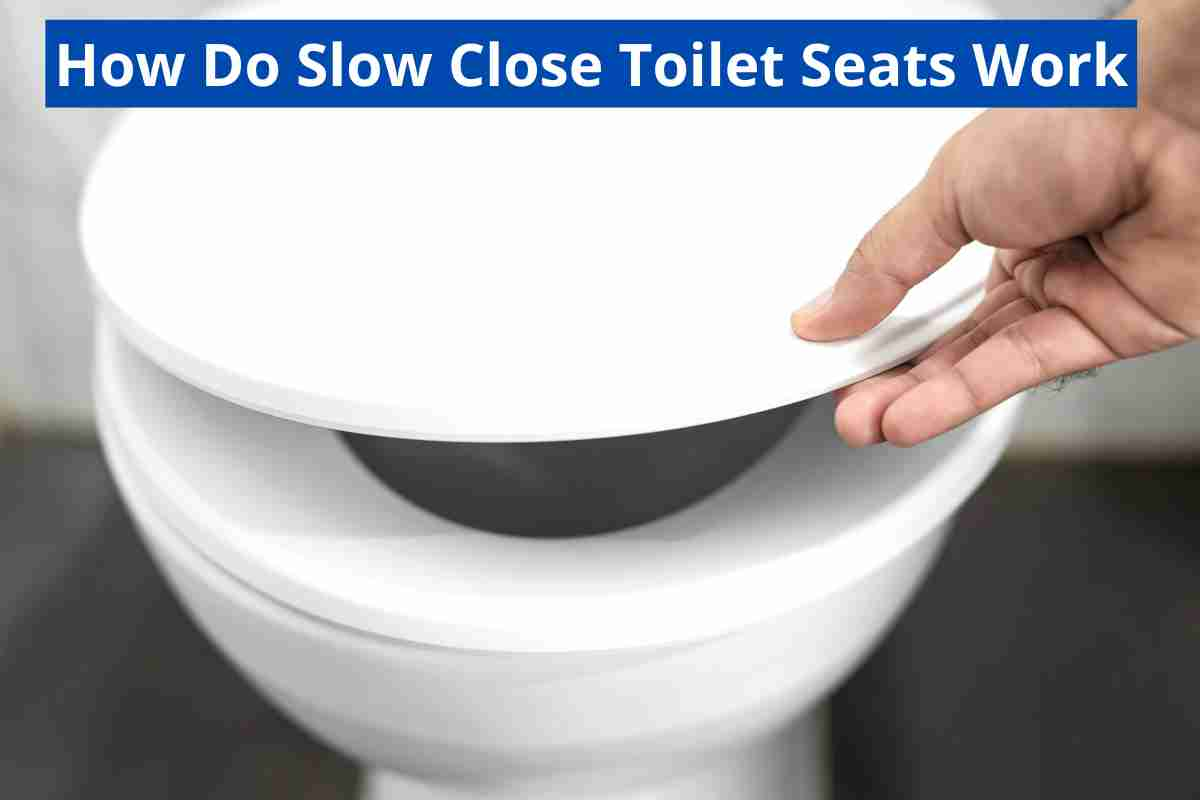
As the name suggests, slow close toilet seat closes slowly and quietly when you lower it. But have you ever wondered how do slow close toilet seats work?
The mechanism behind this is quite simple. Follow me to explore the secrets behind the slow close toilet seat mechanism. Let’s discuss;
Table of Contents
How Do Soft Close Toilet Seats Work?
A soft-close hinge uses tension/friction plus a hydraulic damper cylinder to lower the seat slowly and quietly. If it stops working, adjust the hinges or replace the dampers.
The slow close toilet seat working mechanism is based on two primary components – the hinge and the damper.
- Hinge performance
The hinge is part of the seat that connects it to the toilet bowl. In a slow close toilet seat, the hinge is designed in such a way that it slows down the closing speed of the seat. It is achieved through the use of friction.
When you lift the seat, the hinge mechanism stores energy through tension. When the seat is released, the hinge slowly releases this tension, which slows down the speed at which the seat falls.
- Damper performance
The damper is a small hydraulic cylinder that controls the speed of the seat as it closes. It works by creating resistance to the motion of the seat. As the seat falls, the damper pushes against it, creating a resistive force. This force gradually increases as the seat approaches the bowl, slowing it down further.
How Do Hinge And Damper Work In A Slow Close Toilet Seat?
When you lift the toilet seat, the hinge stores energy through tension. When the seat is released, this tension is gradually released, which slows down the speed of the seat.
At the same time, the damper creates a resistive force, which also slows down the seat. The result is a slow, quiet, and gentle seat closing.
Benefits Of Slow Close Toilet Seats
They are much quieter than traditional toilet seats. It is particularly useful in homes with young children or light sleepers, as it eliminates the loud slamming sound often associated with conventional seats.
These slow closing toilet seats are also much safer. Traditional toilet seats can be dangerous, particularly for young children or the elderly. The slow close mechanism prevents the seat from slamming shut, reducing the risk of injury.
The best thing about slow close toilet seats is that they are more durable than traditional seats. The mechanism that controls the closing speed of the seat is designed to last for many years, even with frequent use.
Final Words
Slow close toilet seats are a great addition to any bathroom. They are quiet, safe, and durable, providing comfort and convenience that is hard to match with traditional seats. Choosing the right slow close toilet seat can help eliminate nasty late-night toilet seat slams. Additionally, they are durable and long-lasting compared to traditional toilet seats.
Plumber’s field tip: the #1 killer of soft-close dampers is people pushing the seat down ‘to help it’. The damper is designed for gravity only. If yours slams again, don’t oil it — the damper is sealed; replace the damper cartridges, they’re cheap and pop in with a screwdriver.
Frequently Asked Questions
How do soft close toilet seats work?
The hinge combines tension/friction with a small hydraulic cylinder (damper). As the seat lowers, the damper resists, controlling the descent so it closes slowly and quietly.
Why is my soft-close seat slamming?
The damper has worn out or the hinge tension has loosened. Try adjusting the hinges; if the damper is dead, replace the dampers or the seat.
Can you fix a soft-close seat that won’t close slowly?
Often yes — clean the hinges, adjust the tension, or swap in replacement damper cylinders. If the seat is cracked or the hinge housing is broken, replace the seat.
How long do soft-close dampers last?
Typically tens of thousands of cycles — roughly 2–5 years of family use. Forcing the seat down by hand shortens damper life.
Are soft-close hinges adjustable?
Many models have adjustable hinge tension. Check the hinge caps for adjustment screws and follow the manufacturer’s instructions.
Sources

Donald Maccoy is a contributor at ToiletsAdviser who believes the manual deserves a proper reading. He digs into manufacturer specifications, installation guides, and warranty fine print, then cross-checks it all against what real owners report after a year or two of daily use. His reviews and guides are built for readers who want to know exactly what they’re buying — no hype, no jargon, just the facts that matter when you’re spending real money on something you’ll use every day.


