
How To Remove Urine Crystals From Toilets: Easy Methods
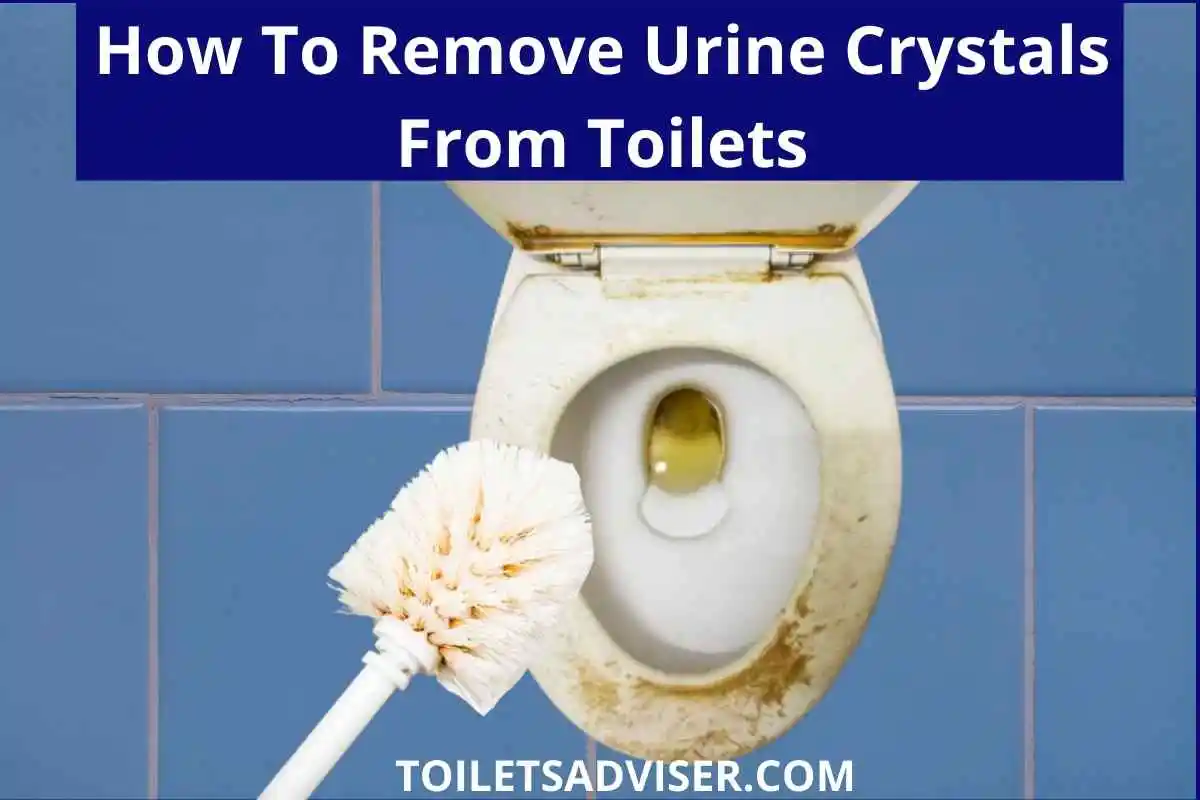
Does your toilet become dull with the strains of the urine crystals? Are you stuck on how to come out of this hectic dullness? This happens if urine remains on the toilet for a long time. But don’t worry. In this article, we will guide you How To Remove Urine Crystals From Toilets.
Use a toilet brush to swish around about one cup of vinegar in the toilet bowl. After five minutes, remove it from the heat. After adding 1 cup of baking soda, add another cup of vinegar to the toilet bowl. Let the fizzing action do the cleaning for about 10 minutes. Let’s discuss;
Table of Contents
How Do I Remove Urine Crystals From My Toilet?
Mix 1/4 cup white vinegar with 1/4 cup baking soda into a foamy paste. Scrub it into the stained area with an old toothbrush, wait 10 minutes, then wipe off with a damp cloth and dry. The vinegar dissolves the mineral crystals while the baking soda deodorizes.
Human urine may often be present on your toilet seat. Urine that remains on the seat for too long can cause an odour and stain. Cleaning up quickly can help prevent staining and odours.
The toilet seat should be wiped clean immediately after staining and bacteria which may cause unpleasant odours should be removed.
Make A Mixture
A foamy paste is created by mixing 1/4 cup white vinegar with 1/4 cup baking soda. A safe and normal reaction occurs when vinegar and baking soda are combined.
Scrub The Toilet With A Toothbrush
The urine stained area of your toilet seat can be scrubbed with an old toothbrush dipped in vinegar and baking soda paste. Brush the toilet seat again with the toothbrush and rinse with water. Wait 10 minutes before flushing the toilet with the paste.
As a natural scouring cleaner and deodorizer, baking soda and vinegar are effective at removing stains and deodorising surfaces.
Remove The Paste
To remove the vinegar and baking soda paste from your toilet seat, soak a clean cloth or rag in water and wipe it with it. A clean, dry cloth should be used to dry the seat.
Apply Odor Neutralizer
If additional deodorising is required, apply pet odour neutralizer to the stained area of your toilet seat. After 20 minutes, rub the neutralizer off with water and allow it to air dry.
The enzymes in pet odour neutraliser breakdown and absorb bacteria responsible for causing odours.
Related Articles:-
Plumber’s field tip: urine crystal buildup is worst in toilets that are flushed less often and in hard-water areas, where minerals give the crystals something to grip. Clean under the seat hinges too — that’s where odor hides and where most people never scrub. And skip the bleach on urine stains; it sets the protein in the stain and makes the smell worse.
Frequently Asked Questions
How do you remove urine crystals from a toilet?
Mix 1/4 cup white vinegar with 1/4 cup baking soda to form a foamy paste. Apply it to the stained area, scrub with an old toothbrush, wait 10 minutes, then wipe clean with a damp cloth and dry the surface.
Does vinegar break down urine in a toilet?
Yes. White vinegar dissolves mineral deposits and urine crystals, and its acidity neutralizes the ammonia odor in urine stains. It is safe for porcelain and septic systems.
Does baking soda break down urine?
Baking soda deodorizes and, mixed with vinegar, forms a foaming paste that lifts urine crystal deposits off the toilet seat and bowl. It does not disinfect on its own, but it loosens mineral buildup effectively.
How do you get urine stains off a toilet seat?
Apply the vinegar and baking soda paste to the seat, scrub with an old toothbrush to reach into crevices, wait 10 minutes, then wipe with a damp cloth and dry completely.
What removes urine smell from a toilet?
A pet odor neutralizer with enzymes breaks down the odor-causing bacteria that regular cleaners miss. Use it after the vinegar and baking soda treatment for a completely odor-free toilet.
Conclusion
Our team has covered all the information you needed on removing urine crystals from the toilet and explained it in a step by step format. We advise you to avoid the overstepping of any step and applying one by one completely.
Sources

James Christopher writes in-depth toilet reviews and head-to-head comparisons for ToiletsAdviser. His approach is methodical: line up the contenders, compare flush performance, build quality, water efficiency, and long-term reliability, and tell you plainly which one deserves your money — and which ones to walk away from. He’d rather talk you out of a bad purchase than into an expensive one.


