
How To Remove Harpic Stains From Toilet Seat: Easy Methods
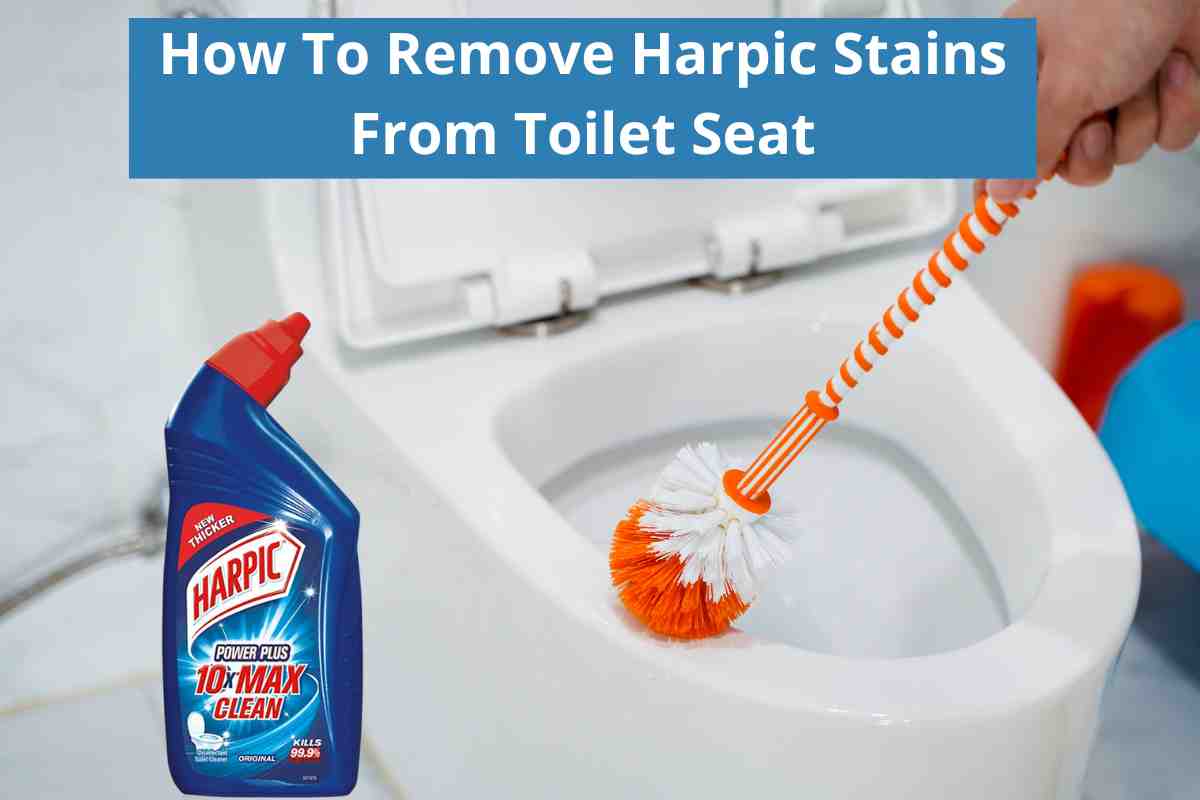
Are you frustrated with stubborn Harpic stains on your toilet seat? Don’t worry; we understand your concern! Harpic stains can be quite stubborn and challenging to remove, but with the right approach, you can restore your toilet seat’s cleanliness and shine.
In this toilet seat cleaning guide, we will provide effective methods and tips on removing Harpic stains from your toilet seat. By following these steps, you’ll be able to tackle the problem and have your toilet seat looking fresh and stain-free in no time. Let’s discuss;
Table of Contents
How To Remove Harpic Stains From A Toilet Seat?
Vinegar soak for 15–20 minutes, baking soda, a gentle scrub, then rinse. Repeat if needed — and keep acid bowl cleaners off the seat surface to prevent new stains.
Gather Your Cleaning Equipments
Before diving into battle against the Harpic stains, ensure you have all the necessary supplies. Here’s what you’ll need:
- Rubber gloves (Protect your hands from harsh cleaning agents)
- Toilet brush (Use a sturdy brush to loosen loose debris or residue)
- White vinegar (A natural cleaning agent that works wonders on stains)
- Baking soda (An effective and eco-friendly cleaning solution)
- Sponge or cloth (For gentle scrubbing and wiping)
- Water (The ultimate ally in the battle against stains)
Preparing For Battle
Put on rubber gloves to shield your hands from potentially harsh cleaning agents. Safety first! Then, wet the toilet brush with water and gently scrub the stained area. It helps remove any loose debris or residue, making it easier to tackle the stains head-on.
Vinegar To The Rescue
Vinegar is a versatile cleaning agent that can work wonders on Harpic stains. Take a cloth or sponge and soak it in white vinegar. Place the vinegar-soaked cloth on the toilet seat’s stained area, ensuring it covers the entire mark. Let it sit for 15 to 20 minutes, allowing the vinegar’s acidity to break down the stain.
The Baking Soda Power
Once the vinegar has had time to work its magic, it will bring out the baking soda. Sprinkle a generous amount of baking soda directly onto the stained area. Combining vinegar and baking soda creates a powerful cleaning reaction, helping lift and dissolve stubborn Harpic stains.
Scrub Away
Grab your trusty toilet brush and start scrubbing the stained area with vigor. The baking soda acts as a mild abrasive, assisting in removing the stains. Use circular motions and apply gentle pressure until the stains disappear.
Rinse And Repeat
After giving the stains a good scrub, it’s time to rinse off the residue. Flush the toilet to wash away the loosened stains and any vinegar and baking soda remnants. Take a moment to assess the progress. If the stains are still visible, don’t lose hope! Repeat steps 3 to 5 until you achieve the desired results.
Finishing Touches
It’s time for the final touches once you’ve successfully removed the Harpic stains. Dampen a clean sponge or cloth with water, and wipe down the entire toilet seat to remove any remaining residue. Rinse the cloth or sponge frequently during this process to avoid spreading the stains around.
Bonus Tips- How To Prevent Future Stains?
Here are some bonus tips to help prevent future Harpic stains.
Make a habit of regularly cleaning your toilet seat with mild soap and water. It helps remove any residue and prevents the buildup of stains.
When using toilet bowl cleaners like Harpic, be cautious not to let the solution directly contact the seat. If spills occur, promptly rinse the seat with water to prevent stains.
Act quickly if you accidentally spill Harpic or any other cleaning solution on the toilet seat. Wipe it off immediately with a damp cloth to minimize the chances of staining.
Consider using disposable or washable toilet seat covers to provide extra protection against stains. These covers are readily available in stores and can be easily replaced.
Remember, prevention is always better than dealing with stubborn stains later on. You can maintain a clean and stain-free toilet seat by incorporating these practices into your routine.
Final Words
Removing Harpic stains from your toilet seat may seem daunting, but armed with the right tools and techniques, it’s entirely achievable. By following our step-by-step guide and implementing preventive measures, you can restore the shine and cleanliness of your toilet seat. Don’t let those stubborn stains get the best of you. Take action and reclaim your throne. Remember, a little effort goes a long way in maintaining a fresh and inviting bathroom.
Plumber’s field tip: most ‘Harpic stains’ I see are actually etched plastic, not surface dirt — the acid has bitten into the seat. Do the vinegar treatment on a small corner first. If 20 minutes changes nothing, stop scrubbing; you’ll just scratch it worse. A new seat costs less than the chemicals people burn through.
Frequently Asked Questions
How do you remove Harpic stains from a toilet seat?
Lay a cloth soaked in white vinegar on the stain for 15 to 20 minutes, sprinkle baking soda over it, scrub gently with a brush in circular motions, then rinse and wipe clean. Repeat the treatment if the stain persists.
Why does Harpic stain toilet seats?
Harpic is an acidic, hydrochloric-acid-based bowl cleaner made for porcelain, not plastic. Left sitting on a plastic seat, the acid and its blue dye can etch and discolor the surface, which is why spills should be wiped off immediately.
Is vinegar safe on a plastic toilet seat?
Yes. White vinegar is a mild acid that is safe on plastic and enamel seats and effective against cleaner stains. Avoid strong abrasives, and never mix vinegar with bleach-based cleaning products.
What if the Harpic stain will not come off?
Repeat the vinegar and baking soda treatment, or try a baking soda and water paste left on the stain for 30 minutes. If the acid has etched into the plastic, the discoloration is permanent and replacing the seat is the only real fix.
How do I prevent Harpic stains on the toilet seat?
Apply bowl cleaner only inside the bowl and keep it off the seat, wipe any splash immediately with a damp cloth, clean the seat regularly with mild soap and water, and consider a washable seat cover for extra protection.
Sources

Helena Shaner is a plumbing and bathroom-fixtures writer at ToiletsAdviser. She specialises in troubleshooting guides — clogs, flush problems and water issues — and pressure-assist and commercial flushing systems, and she checks manufacturer specs and official recall/safety notices before anything goes into a guide.


